By Mark Aba
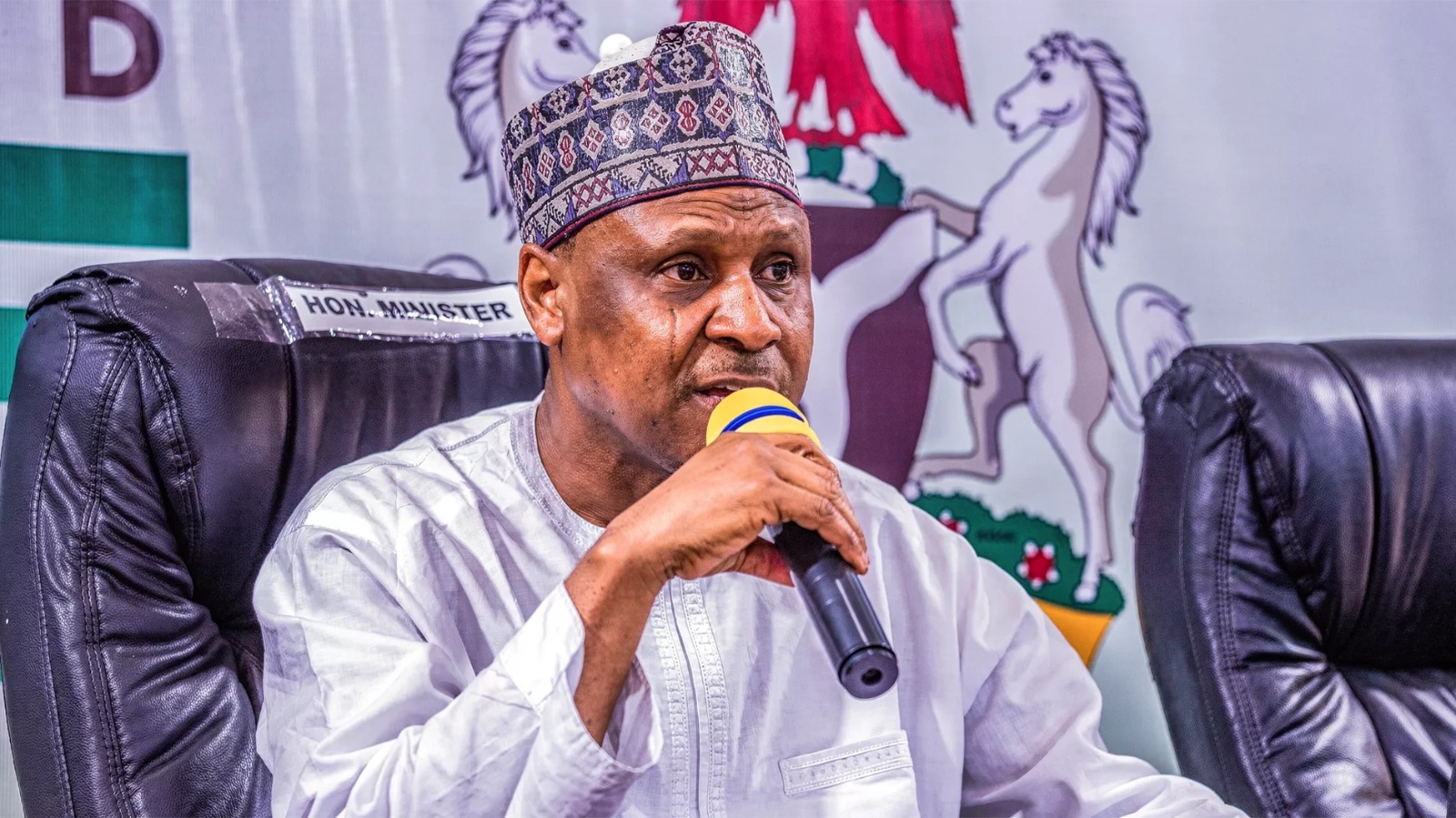
The Minister of Information and National Orientation, Mohammed Idris, has said the economic reforms introduced by President Bola Ahmed Tinubu are beginning to yield benefits for Nigerians through improvements in security, education, infrastructure and economic growth.
Idris stated this on Tuesday in Abuja during the media presentation of the All Progressives Congress (APC) 2027 Presidential Election Manifesto, describing the reforms as essential steps towards building a prosperous nation.
He said the administration’s priority over the next four years would be to expand the gains of the reforms and ensure that more Nigerians benefit from them.
Addressing concerns about who stands to gain from the government’s policies, the minister cited road construction, improved security and the Nigerian Education Loan Fund (NELFUND) as examples of initiatives benefiting citizens irrespective of their political affiliations.
“When roads are built, everyone can use them. When security improves, everyone benefits. The 1.6 million Nigerian students supported through NELFUND are ordinary Nigerians, and they do not have to belong to any political party to benefit. These reforms are for all Nigerians,” he said.
Idris also identified improvements in the country’s security situation, Nigeria’s removal from the Financial Action Task Force (FATF) grey list and the implementation of the student loan scheme as notable achievements of the Tinubu administration.
He further pointed to improved assessments by international credit rating agencies, declining inflation and stronger economic growth as indications that the government’s policies were producing results.
The minister urged journalists to sustain their watchdog role by holding public officials accountable while giving adequate coverage to positive developments.
He maintained that responsible journalism should provide Nigerians with a balanced understanding of the country’s achievements and challenges while promoting national unity.
“Journalists have an important duty to criticise government and point out areas that need improvement. But good journalism is not only about being adversarial.
When you see something good, please report it. We may have different views about the government, but we must all care about Nigeria and work for the good of our country,” Idris said.
Also speaking, the Chief of Staff to the President, Femi Gbajabiamila, described the APC manifesto as a social contract between the party and Nigerians, outlining the administration’s achievements and commitments should it secure another mandate.
He said the document contained measurable targets and provisions for public accountability, including plans to reduce the number of out-of-school children by half by 2031 and install seven million additional electricity meters.
Gbajabiamila urged Nigerians to study the commitments, engage with the proposed policies and hold the government accountable for their implementation.
“A manifesto is a contract between the people and their leaders. Nigerians should read these commitments, discuss them, and hold us accountable for delivering them.
“We are asking for the mandate to make hard work pay better and ensure that opportunity reaches more people,” he said.
The Minister of Budget and Economic Planning, Atiku Bagudu, said the Tinubu administration’s reform agenda was driven by a long-term vision for the country and a determination to tackle longstanding structural challenges inherited from previous administrations.
He added that the private sector had acknowledged progress recorded under the government, stressing that efforts were ongoing to ensure that economic growth translated into tangible improvements in the lives of ordinary Nigerians.
In her presentation of the manifesto, the Minister of Industry, Trade and Investment, Dr Jumoke Oduwole, outlined its four major pillars: a secure and resilient nation; improved and affordable quality of life; energy, infrastructure and economic growth; and effective and accountable governance.
She said the policy document prioritised food security, reduced living costs, increased domestic production, export expansion and employment generation.
Oduwole disclosed that the government was targeting the creation of one million export-linked jobs for young Nigerians by 2030.
She added that the administration aimed to ensure that by 2031, Nigerians would experience the benefits of structural reforms and sustained economic growth through improved security, increased food production, expanded local manufacturing and greater opportunities for young people.
“By 2031, we want Nigerians to see, feel and share the benefits of structural progress and economic growth.
“Our priorities include stronger protection against insecurity, increased domestic food production, more goods made in Nigeria, and wider opportunities for young people through trade, investment and exports,” she said.
About the Author