Praise Isioye
The Nigeria Centre for Disease Control and Prevention (NCDC) announced that 28 individuals connected to the country’s imported Ebola case are still being watched, while 34 others have finished their required 21-day follow-up.
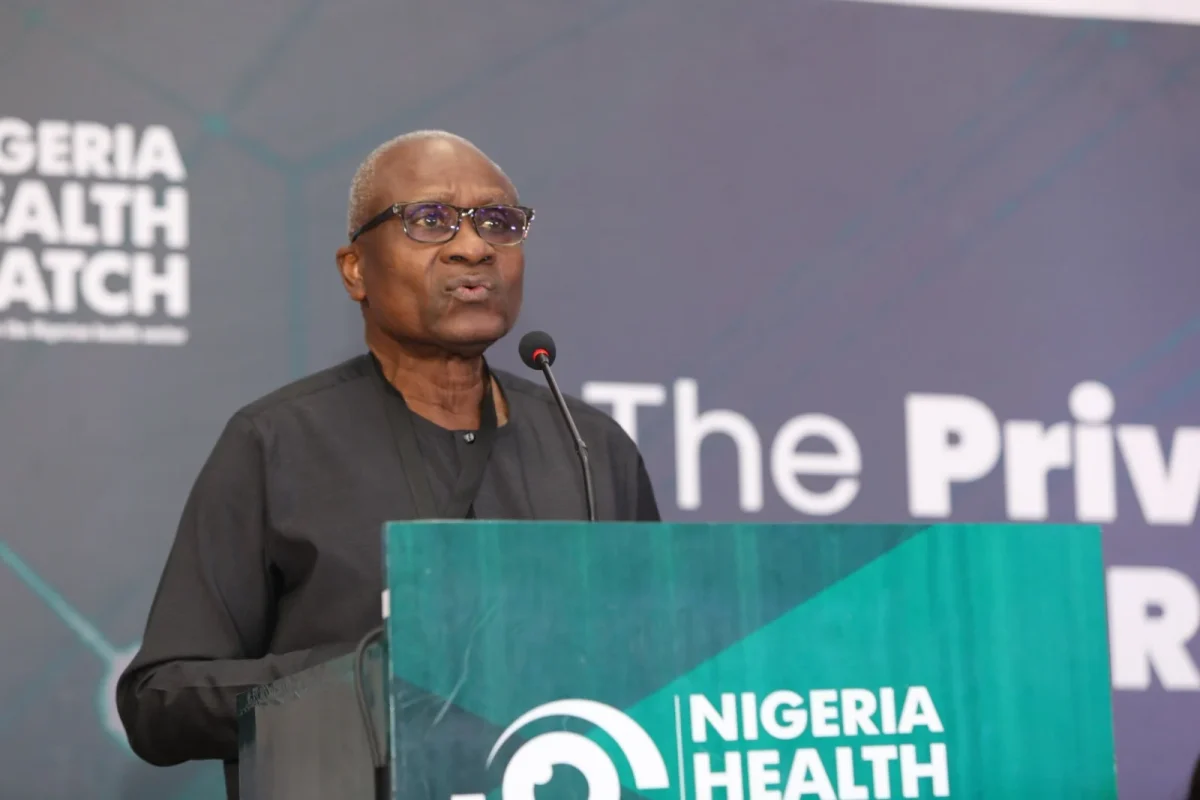
Dr. Jide Idris, the Director-General of the NCDC, shared this information in the agency’s national health security update on Tuesday.
He mentioned that Nigeria is enhancing its response to the outbreak through teamwork with the Federal Ministry of Health and Social Welfare, the Federal Capital Territory Administration, state officials, and development partners.
Idris explained that their response efforts include tracking contacts, looking into reported alerts, performing lab tests, preventing infections and controlling them, providing safe clinical care, and monitoring at entry points.
“As of November 9, 2026, Nigeria has confirmed only one imported case of Bundibugyo virus disease, with no new confirmed cases,” he stated.
“We are still investigating reported alerts and keeping close watch throughout the country to make sure suspected cases are quickly identified and examined.
“A total of 62 contacts have been identified. Out of these, 34 have completed their individual 21-day follow-up period, while the remaining 28 are still being monitored.”
The NCDC chief explained that just because someone is labeled as a contact doesn’t mean they have the virus.
He mentioned that the 21-day monitoring period helps health officials spot any early symptoms and take the right medical action.
Idris also warned not to mix up the monitoring time for individual contacts with how many days have passed since the first case was confirmed.
Earlier in November, the NCDC stated that they expected to finish tracking all 62 contacts linked to the imported Ebola case by November 13.
“Contacts should finish follow-up by November. The completion dates are between October 31 and November 13, 2026,” the agency noted.
In October, the Federal Government reported an Ebola case in the FCT.
Ali Pate, the Coordinating Minister of Health and Social Welfare, said they initially found 44 close contacts to trace in order to stop further spread of the virus.
Pate revealed that the first patient, a woman who had recently flown into Nigeria from Uganda, was taken to a private hospital in the FCT where she was treated for several days before her illness was confirmed.
Later, she was flown to Switzerland for more medical care.
On October 31, the NCDC also reported two suspected Ebola cases in the North-East, leading to more surveillance and investigation.
About the Author