By Our Correspondent
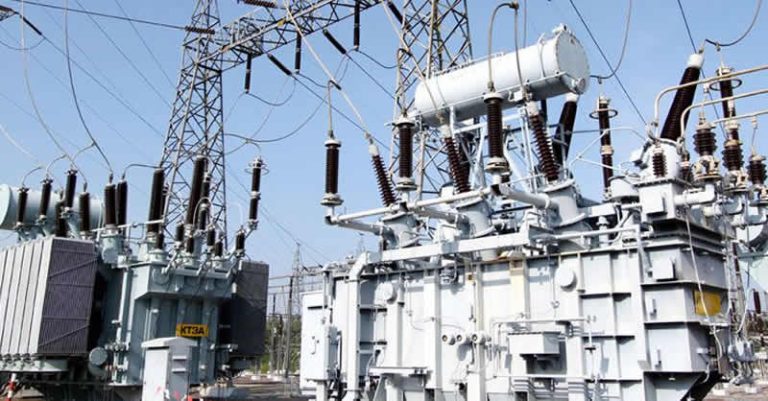
Nigeria’s electricity crisis has intensified as planned maintenance at Egbin Power Station, inadequate gas supplies to thermal generating plants and sabotage of critical transmission infrastructure combine to constrain power generation and distribution across parts of the country.
The disruptions have triggered load shedding in affected areas, including Lagos and the Federal Capital Territory (FCT), as declining generation and transmission limitations reduce the volume of electricity available to consumers.
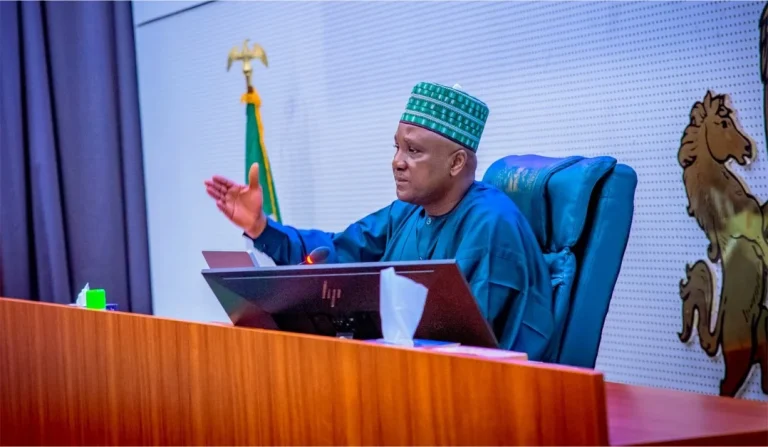
Minister of Power, Joseph Tegbe, disclosed this in a statement on Friday, November 6, acknowledging the challenges confronting electricity consumers and outlining measures being taken by the Federal Government to restore power generation and improve supply.
According to the minister, maintenance work at Egbin Power Station, one of the country’s major electricity generating facilities, alongside gas supply constraints at some thermal plants, has significantly reduced electricity available on the national grid.
He further identified sabotage of critical transmission lines as an additional challenge, explaining that the damage had restricted alternative routes for transmitting electricity to affected locations, particularly Lagos.
“Planned maintenance at Egbin Power Station and constraints in gas supply to some thermal power stations have reduced the amount of electricity available on the national grid,” the minister said.
“Grid operators have, therefore, implemented load shedding in some areas to manage the shortfall. Sabotage of key transmission lines has also restricted the use of alternative routes to supply some locations, especially Lagos.”
Tegbe said the government was collaborating with relevant electricity sector operators to restore affected generating units in phases, with the first units expected to return to operation within 48 to 72 hours of the announcement.
He added that efforts were being intensified to address gas supply constraints affecting thermal power stations and accelerate the rehabilitation of damaged transmission infrastructure.
“My team and I are working to return the affected generating units to service in phases, with the first units coming back online within the next 48 to 72 hours,” he said.
The minister assured electricity consumers that the government would provide further updates as generation and supply improve, while appealing for patience and understanding from affected households and businesses.
The latest developments expose the multiple structural weaknesses in Nigeria’s electricity supply chain, where disruptions to generation, fuel availability and transmission infrastructure can combine to deepen power shortages.
The economic implications are particularly severe for manufacturers, small businesses and service providers that depend on consistent electricity to sustain their operations.
Reduced grid supply forces businesses to increase their reliance on petrol and diesel generators, adding to operating expenses and squeezing profit margins at a time when many are already struggling with high energy costs, expensive financing and weak consumer demand.
For manufacturers, prolonged outages can interrupt production schedules, increase processing and preservation costs and reduce operational efficiency, ultimately undermining their competitiveness.
Small and medium-sized enterprises, particularly those in food processing, hospitality, refrigeration and retail, also face additional financial pressure from the cost of maintaining alternative power sources.
The situation is especially concerning in Lagos, Nigeria’s commercial centre, where transmission constraints could further compound the impact of declining electricity generation on industrial and commercial activities.
The latest disruption comes against the backdrop of wider concerns over falling electricity generation, with the Nigerian Independent System Operator (NISO) recently identifying inadequate gas supply to thermal generating stations and reduced water inflows into hydroelectric reservoirs as major constraints on electricity production.
The system operator explained that the combined challenges had limited the ability of generating stations to deliver electricity to the national grid, forcing distribution companies to adjust their supply schedules.
The power minister’s latest explanation has added planned maintenance at Egbin and the sabotage of transmission infrastructure to the growing list of challenges confronting the sector.
With the Federal Government promising to restore affected generating units within a 48 to 72-hour window, attention will now turn to whether the timeline delivers a significant improvement in electricity supply and how quickly damaged transmission facilities can be repaired.
The effectiveness of these interventions will be critical to easing the burden on consumers and restoring confidence in a power sector that continues to struggle with persistent generation, transmission and distribution challenges.
About the Author