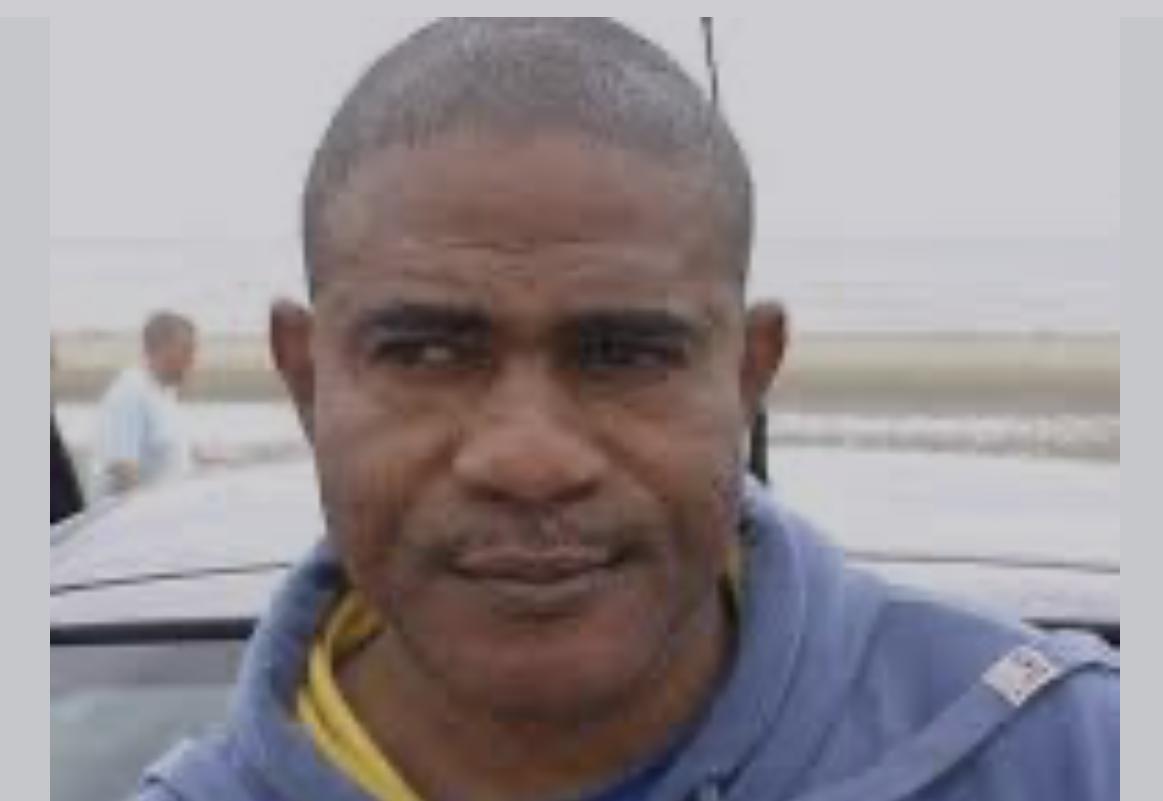
By Paul Lucky Okoku
The Defender Who Made Our Hearts Skip a Beat
Some defenders clear the ball at the first sign of danger. Others tackle, intercept and leave the creative work to their midfielders.
Then there was 𝗪𝗮𝗵𝗮𝗯 𝗔𝗱𝗲𝘀𝗶𝗻𝗮.
A defender so comfortable with the football that even his teammates sometimes wondered what he would do next.
I played alongside him in our historic 1983 Flying Eagles team, and I still remember the extraordinary confidence with which he handled the ball.
Imagine a defender receiving possession near his own penalty area, an opponent closing in, and instead of simply clearing the danger, he calmly decides to beat his man.
Your heart skips a beat.
But Wahab knew what he was doing.
A body movement. A quick change of direction. A beautifully controlled touch.
And suddenly, the opponent was the one in trouble.
That was Wahab.
𝗪𝗲 𝗰𝗮𝗹𝗹𝗲𝗱 𝗵𝗶𝗺 𝗣𝗮𝘀𝘀𝗮𝗿𝗲𝗹𝗹𝗮.
𝗕𝗘𝗡𝗗𝗘𝗟 ’𝟴𝟭: 𝗪𝗛𝗘𝗥𝗘 𝗧𝗔𝗟𝗘𝗡𝗧 𝗢𝗣𝗘𝗡𝗘𝗗 𝗧𝗛𝗘 𝗗𝗢𝗢𝗥
Wahab belonged to that generation of Nigerian footballers whose abilities were discovered through school competitions, state tournaments and national sporting festivals.
One important chapter was the 1981 National Sports Festival in Benin City, popularly remembered as Bendel ’81.
Wahab represented Benue State, having previously participated in the 1978 National School Sports competition in Calabar and the 1979 National Sports Festival in Ibadan.
He was among the talented young footballers who came to the attention of the national youth-team selectors during that period.
Under our late coach, Christopher Udemezue, Nigeria was assembling a generation of players capable of breaking a barrier that had frustrated the country for years: qualification for a FIFA World Cup tournament.
Wahab eventually joined us in that historic undertaking.
He brought something special to our defensive department.
𝗙𝗥𝗢𝗠 𝗢𝗧𝗨𝗞𝗣𝗢 𝗧𝗢 𝗧𝗛𝗘 𝗡𝗔𝗧𝗜𝗢𝗡𝗔𝗟 𝗦𝗧𝗔𝗚𝗘
Born Abdulwahab Adio Adesina, Wahab grew up in Otukpo, Benue State, in a family whose roots connected Osogbo and Otukpo.
His education took him through Methodist Central Primary School in Otukpo, Ansar-ud-Deen Primary School and Commonwealth College of Commerce in Jos, and Government Secondary School, Otukpo.
Long before national recognition, he was developing his football abilities with local youth teams, including Touch & See, Flamingos and Obe Babes.
One published recollection describes how he would arrive at the training ground ahead of his teammates, practising his ball control and juggling relentlessly.
That detail matters.
The seemingly effortless confidence I later witnessed on the football field was supported by years of practice.
What spectators celebrated as natural brilliance was also the product of discipline.
𝗪𝗛𝗬 𝗪𝗘 𝗖𝗔𝗟𝗟𝗘𝗗 𝗛𝗜𝗠 𝗣𝗔𝗦𝗦𝗔𝗥𝗘𝗟𝗟𝗔
To appreciate Wahab’s nickname, one must remember the Argentine legend Daniel Alberto Passarella.

Passarella captained Argentina to victory at the 1978 FIFA World Cup and subsequently played for Fiorentina and Inter Milan in Italy’s Serie A.
He was a defender who could do considerably more than defend.
He possessed technical ability, vision, confidence on the ball and the willingness to initiate attacks from deep positions.
Those were qualities we recognized in Wahab.
He could receive the ball under pressure and manoeuvre out of situations that would make a conventional defender nervous.
Sometimes, watching him take another touch instead of clearing the ball, I wondered whether he had forgotten how close we were to our own goal.
But Wahab would beat his opponent and carry on as though nothing extraordinary had happened.
𝗛𝗲 𝗰𝗼𝘂𝗹𝗱 𝗺𝗮𝗸𝗲 𝗮 𝗱𝗶𝗳𝗳𝗶𝗰𝘂𝗹𝘁 𝘀𝗶𝘁𝘂𝗮𝘁𝗶𝗼𝗻 𝗹𝗼𝗼𝗸 𝗲𝗮𝘀𝘆, 𝘄𝗵𝗶𝗹𝗲 𝗺𝗮𝗸𝗶𝗻𝗴 𝘁𝗵𝗲 𝗿𝗲𝘀𝘁 𝗼𝗳 𝘂𝘀 𝗻𝗲𝗿𝘃𝗼𝘂𝘀.
That combination of composure and daring made him unforgettable.
𝗝𝗔𝗡𝗨𝗔𝗥𝗬 𝟴, 𝟭𝟵𝟴𝟯: 𝗧𝗛𝗘 𝗗𝗔𝗬 𝗢𝗨𝗥 𝗗𝗥𝗘𝗔𝗠 𝗕𝗘𝗖𝗔𝗠𝗘 𝗥𝗘𝗔𝗟𝗜𝗧𝗬
One of the historical photographs I particularly treasure shows Wahab and me jogging together in training before our decisive World Youth Championship qualifier against Guinea.
The photograph appeared in The PUNCH as Nigerians prepared for that historic encounter.
We had travelled from Bembo Games Village in Ibadan to Lagos, knowing exactly what was at stake.
On January 8, 1983, at the National Stadium, Surulere, Nigeria defeated Guinea 2–0.
Humphrey Edobor and Tarila Okorowanta scored the goals that secured our qualification.
For the first time, a Nigerian national football team had reached a FIFA World Cup tournament.
Wahab was part of the family that achieved that breakthrough.
Months later, we represented Nigeria at the FIFA World Youth Championship in Mexico, held from June 2 to June 19, 1983.
The experience introduced our generation to the world and established a foundation for the international successes that followed.
𝗙𝗥𝗢𝗠 𝗡𝗜𝗚𝗘𝗥 𝗧𝗢𝗥𝗡𝗔𝗗𝗢𝗘𝗦 𝗧𝗢 𝗡𝗜𝗚𝗘𝗥𝗜𝗔’𝗦 𝗕𝗜𝗚𝗚𝗘𝗦𝗧 𝗖𝗟𝗨𝗕𝗦
Wahab’s football journey extended well beyond the Flying Eagles.
He helped Niger Tornadoes reach the 1982 Challenge Cup final, where they lost to Stationery Stores.
He subsequently played for Abiola Babes, becoming part of the team that won the 1985 Challenge Cup after defeating BCC Lions of Gboko on penalties.
In 1986, he joined Leventis United, contributing to a remarkable double-winning campaign in the Nigerian league and Challenge Cup.
His later career included Julius Berger, Shooting Stars and Concord FC of Abeokuta.
Wahab also earned opportunities with the senior Green Eagles, although injuries affected his international career.
Following retirement, he relocated to Dublin, Ireland, according to published biographical accounts.
From the school fields of Otukpo to the national team and major Nigerian clubs, his journey illustrates the opportunities that football could create for talented young Nigerians.
𝗧𝗛𝗘 𝗗𝗘𝗙𝗘𝗡𝗗𝗘𝗥 𝗜 𝗦𝗧𝗜𝗟𝗟 𝗥𝗘𝗠𝗘𝗠𝗕𝗘𝗥
More than four decades have passed since we wore the Flying Eagles jersey together.
Our generation has travelled different roads, built families and pursued lives beyond the stadiums where we once competed.
But when I remember Wahab Adesina, my mind does not first return to his trophies or the clubs he represented.
I see him with the ball at his feet.
An opponent approaching.
The rest of us expecting him to clear.
And Wahab choosing instead to demonstrate why we called him Passarella.
It was football played with imagination, courage and remarkable technical assurance.
Otukpo produced a footballer who represented his country on the world stage.
Nigeria gained a defender whose qualities deserve to be remembered.
𝗪𝗮𝗵𝗮𝗯 𝗔𝗱𝗲𝘀𝗶𝗻𝗮 𝘄𝗮𝘀 𝗻𝗼𝘁 𝗮 𝗱𝗲𝗳𝗲𝗻𝗱𝗲𝗿 𝘄𝗵𝗼 𝗺𝗲𝗿𝗲𝗹𝘆 𝘀𝘁𝗼𝗽𝗽𝗲𝗱 𝗳𝗼𝗼𝘁𝗯𝗮𝗹𝗹.
𝗛𝗲 𝘄𝗮𝘀 𝗮 𝗱𝗲𝗳𝗲𝗻𝗱𝗲𝗿 𝘄𝗵𝗼 𝗸𝗻𝗲𝘄 𝗵𝗼𝘄 𝘁𝗼 𝗽𝗹𝗮𝘆 𝗶𝘁.
And for those of us privileged to share the field with him, that is a memory worth preserving.
About the Author