By Patience Tarhemba
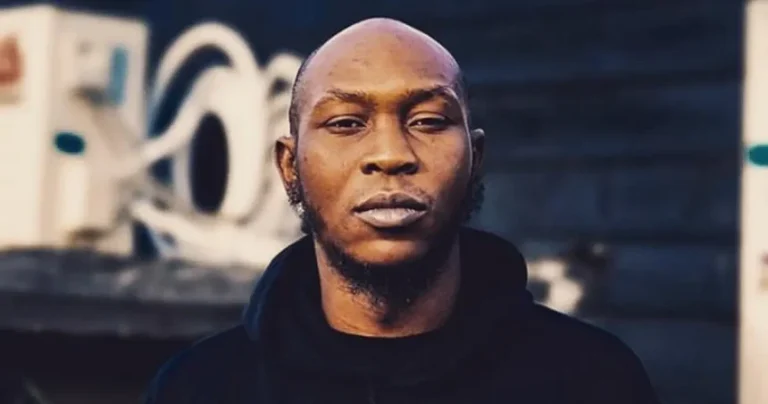
Afrobeat musician, Seun Kuti, has revealed that his late father, legendary musician Fela Anikulapo Kuti, appeared in court approximately 300 times during his lifetime over various allegations arising from his confrontations with successive Nigerian governments.
Seun made the revelation during an interview on The Truth Hurts, hosted by Jeff Weiss, where he reflected on his childhood, his father’s political activism and the impact of Fela’s outspoken criticism of those in power on their family.
According to Seun, the allegations levelled against Fela over the years included murder, attempted murder, sabotage and armed robbery.
He explained that growing up in the Kuti household meant witnessing the consequences of his father’s activism, as Fela’s criticism of government policies and political leaders frequently exposed the family to intimidation, hostility and pressure.
Recalling his childhood experiences, Seun disclosed that one of his earliest memories of his father was visiting him in prison.
Born in 1983, Seun said his father was incarcerated between 1984 and 1986, meaning he was still a toddler when the family visited him behind bars.
He recalled being reluctant to leave his father when the visit ended, describing the experience as one of his earliest and most memorable childhood encounters.
The musician added that he grew up witnessing the personal toll of Fela’s political activism, including the hostility directed at members of the household and the wider community surrounding the family.
Fela, widely celebrated as one of Africa’s most influential musical icons, used his music to challenge political authority, military rule, corruption and social injustice. His outspoken activism frequently brought him into conflict with Nigerian authorities, resulting in repeated arrests, prosecutions and imprisonment.
One of the most prominent episodes occurred in September 1984, when he was arrested over allegations involving the unlawful export of foreign currency. He was subsequently convicted by a special tribunal and sentenced to five years in prison.
His conviction attracted international criticism, with Amnesty International questioning the circumstances surrounding the prosecution and raising concerns that political considerations may have influenced the case.
Fela’s prolonged confrontations with Nigerian authorities became a defining part of his personal and musical legacy, shaping the political consciousness associated with the Kuti family.
Seun, who continues to lead Egypt 80, the band established by his father, has similarly maintained a strong tradition of using music to address political, economic and social issues.
His latest revelations offer further insight into the challenges the Kuti family endured during Fela’s years of activism and how his repeated encounters with the authorities shaped the childhood experiences of his children.
About the Author