By Mark Aba
The Minister of Information and National Orientation, Mohammed Idris, has identified technology, creativity and professional innovation as key drivers of growth and global competitiveness in Nigeria’s advertising and marketing communications industry.
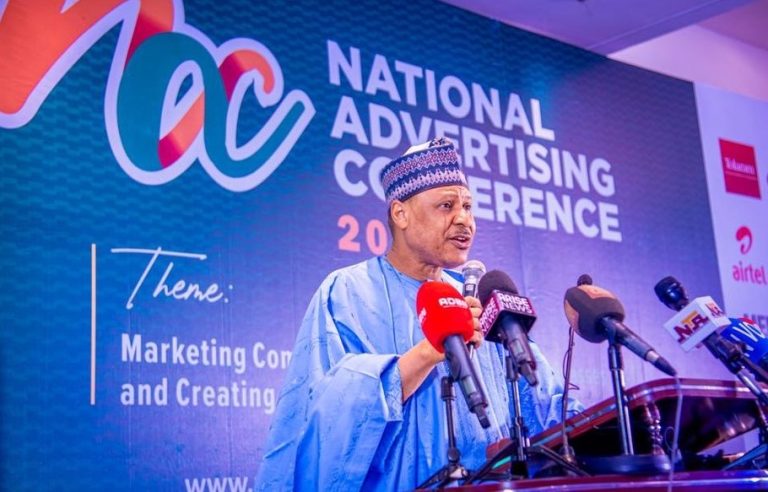
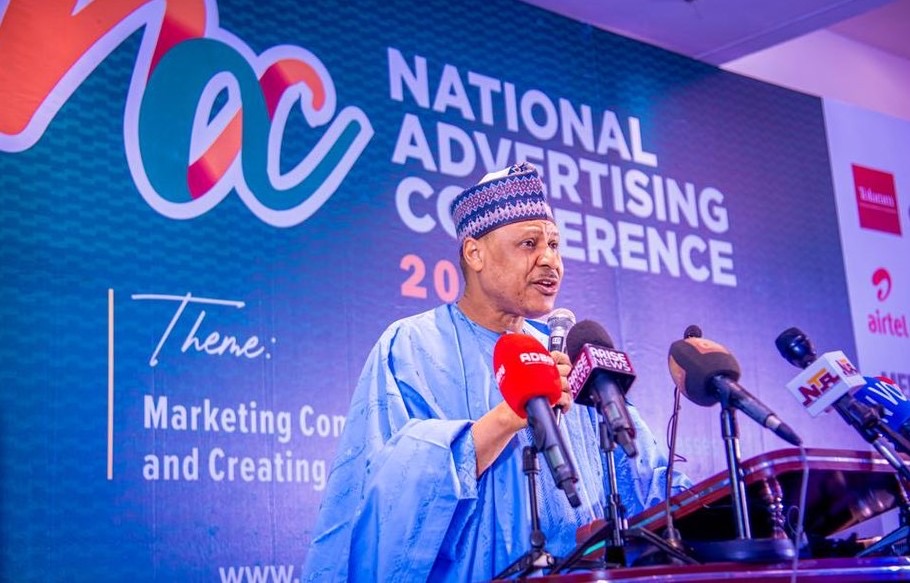
Idris stated this on Thursday at the 2026 National Advertising Conference in Abuja, themed, “Repositioning the Marketing Communications Industry for the Next Frontier.”
Represented by the Permanent Secretary of the Federal Ministry of Information and National Orientation, Dr. Binyerem C. Ukaire, the minister commended the Advertising Regulatory Council of Nigeria (ARCON) for providing a sustained platform for engagement among advertisers, advertising agencies and media organisations.
He observed that artificial intelligence (AI), evolving consumer behaviour and the growing convergence of traditional and digital media were reshaping the advertising landscape, requiring the industry to embrace innovation and adapt to emerging realities.
“The next frontier must be about building an industry that is innovative, responsible and capable of responding to the needs of Nigerian consumers,” he said.
The minister identified the Federal Government’s National Artificial Intelligence Strategy as an important framework for promoting responsible technology adoption, noting that AI offers significant opportunities in audience analysis, content development, campaign planning and performance measurement.
He, however, cautioned that the growing use of AI must be accompanied by safeguards to address concerns relating to content authenticity, intellectual property, consumer privacy and accountability.
“Our task, therefore, is to encourage innovation while ensuring that technology is deployed responsibly,” he said.
Idris also underscored the importance of the Nigerian Data Protection Act 2023 and the ARCON Act 2022 in protecting consumers, promoting transparency and upholding professional standards.
He urged ARCON to develop practical regulatory frameworks for emerging areas such as digital advertising, influencer marketing and AI-generated content, stressing that public confidence remained essential to the industry’s sustainability.
“Trust is one of the most valuable assets in marketing communications,” he said.
Describing advertising as a critical component of Nigeria’s creative economy, the minister said the industry contributes to employment generation and investment across the media, entertainment, technology and other creative sectors.
He further highlighted the opportunities presented by the African Continental Free Trade Area (AfCFTA), urging stakeholders to invest in local talent, strengthen professional capacity and develop content capable of competing in international markets.
“The future of marketing communications will belong to industries that combine technology with human creativity, commercial success with professional ethics, and innovation with responsibility,” he said.
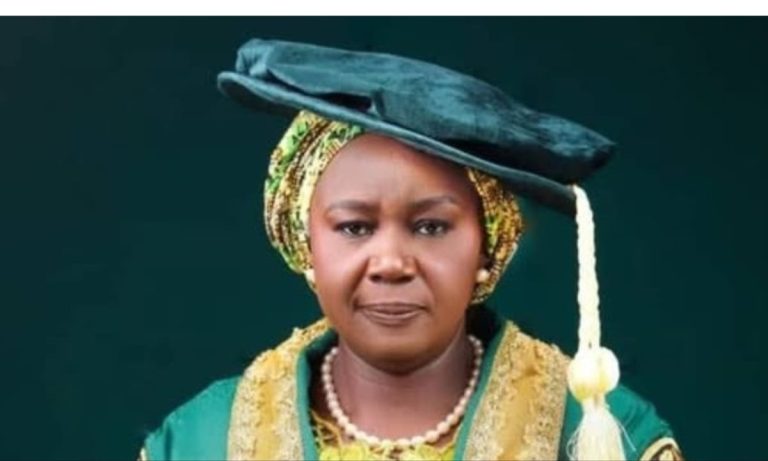
Earlier, the Director-General of ARCON, Dr. Olalekan Fadolapo, called on industry stakeholders to strategically position Nigeria’s advertising sector to harness emerging technologies, increase its economic contributions and strengthen its global competitiveness.
Citing a study by PwC, Fadolapo disclosed that every ₦1 spent on marketing communications generates an estimated ₦16.50 in Nigeria’s Gross Domestic Product (GDP).
He urged practitioners to embrace technological advancements without compromising the creativity, integrity and professional standards required for effective marketing communications.
“We must embrace emerging technology while preserving the creativity and professional standards that remain at the heart of effective marketing communication,” he said.
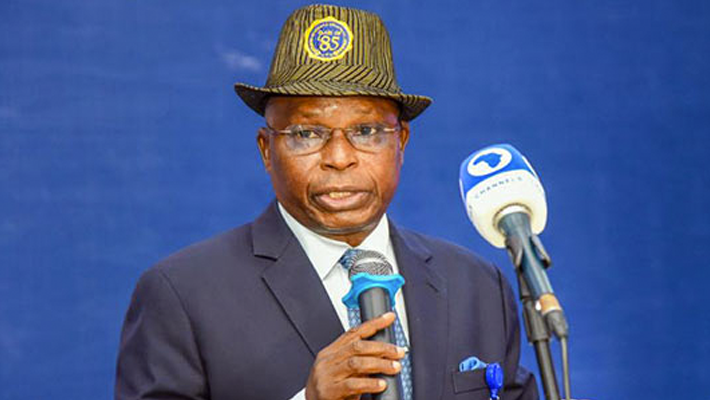
Also speaking, the Director-General of the National Broadcasting Commission (NBC), Dr. Charles Ebuebu, who represented the heads of agencies under the ministry, called for credible audience measurement systems, improved broadcasting data and stronger collaboration among regulators, advertisers and media organisations.
He emphasised the importance of reliable data and independent verification in strengthening the credibility of audience measurement and industry decision-making.
“Technology supplies data; sound methodology and independent assurance give it value,” he said.
The conference attracted advertising and marketing communications professionals, government officials, regulators, heads of sectoral groups, media executives and other industry stakeholders to deliberate on innovation, collaboration and sustainable growth in Nigeria’s advertising industry.
About the Author