By Our Correspondent
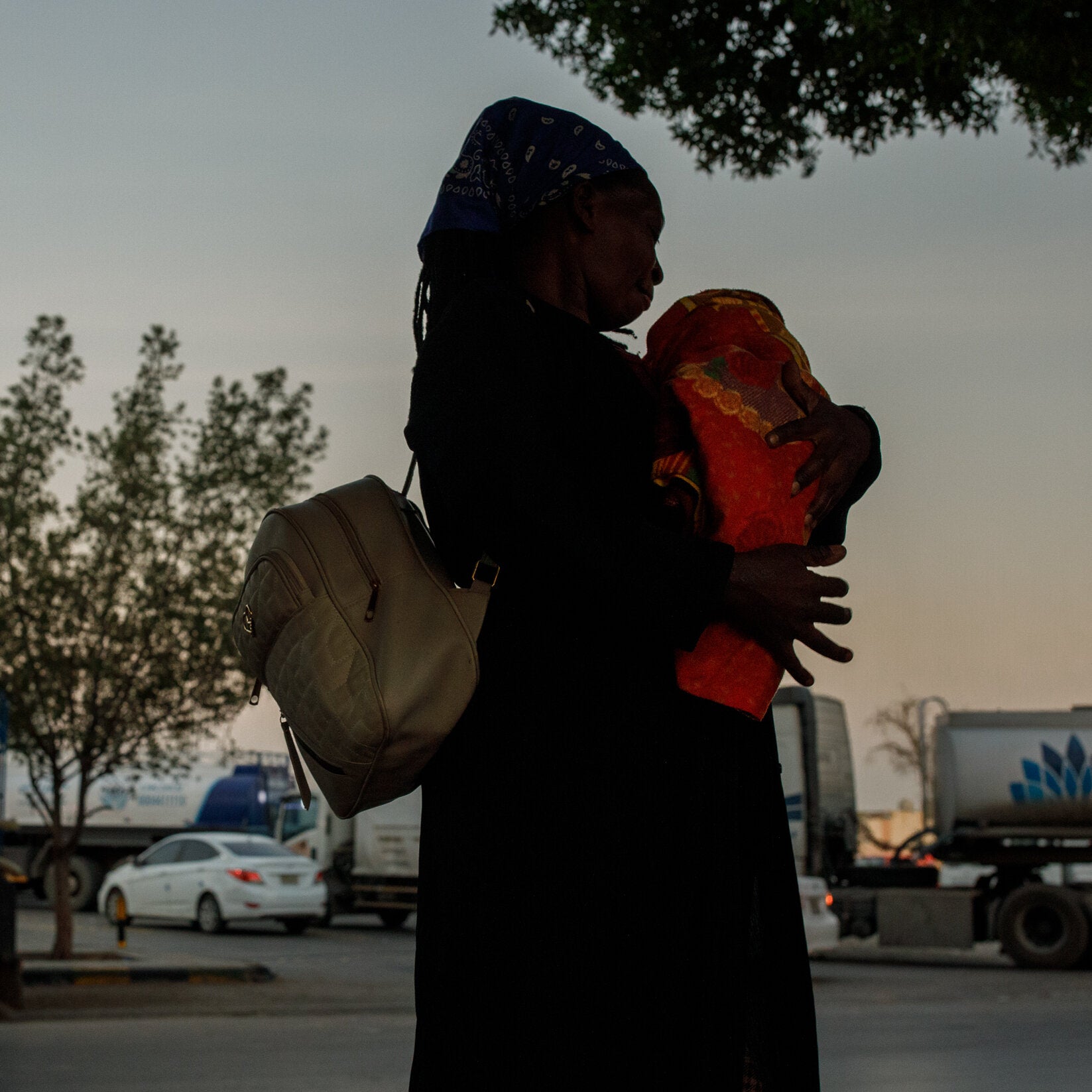
A Kenyan domestic worker in Saudi Arabia, Esther Wanja Muthoni, has reportedly been sentenced to 100 lashes for giving birth outside marriage, prompting condemnation from human rights organisations and renewed concerns over the treatment of migrant women in the Gulf kingdom.
The sentence, reportedly handed down last month, has drawn attention to Saudi Arabia’s laws criminalising sexual relations outside marriage and concerns about the use of corporal punishment against vulnerable migrant women.
Under Saudi Arabia’s legal system, extramarital sexual relations constitute a criminal offence. However, human rights advocates have criticised the enforcement of the law, arguing that women are disproportionately affected and subjected to harsh punishments.
Ekaterina Porras Sivolobova, founder of Do Bold, a non-governmental organisation advocating for migrant workers’ rights in the Gulf region, said Muthoni’s case became public because she delivered her baby in a hospital, where unmarried women who give birth are reportedly required to be reported to the authorities.
“Most of them give birth at home, that’s why they aren’t reported,” she said, suggesting that many similar cases remain undocumented.
Muthoni travelled to Saudi Arabia after being recruited as a domestic worker, where she worked as a housekeeper and nanny. She reportedly became pregnant following a brief relationship with an Egyptian man, whom she said subsequently left the country.
A 2024 investigation by The Guardian documented cases of Kenyan single mothers in Saudi Arabia whose children’s fathers allegedly abandoned them and fled the country to avoid arrest and prosecution over extramarital relationships.
Reacting to the judgment in an interview with The New York Times, Muthoni expressed fear over the prospect of receiving the punishment, insisting that she did not deserve such treatment.
“I don’t deserve this,” she said.
The case has further intensified scrutiny of Saudi Arabia’s human rights record, particularly its treatment of women and migrant workers.
It also comes amid the postponement of a planned visit to the kingdom by Reem Alsalem, the United Nations Special Rapporteur on Violence Against Women and Girls.
Alsalem said she had intended to raise concerns about specific cases during the visit, adding that if the trip was not rescheduled soon, she would pursue the issues through established United Nations channels.
Meanwhile, Maryam Aldossari, Acting Director of the United Kingdom-based human rights organisation ALQST, condemned the ruling, arguing that Muthoni should have been repatriated to Kenya instead of being subjected to corporal punishment.
She described the judgment as evidence of contradictions in Saudi Arabia’s reform agenda, particularly its claims of improving women’s rights and modernising the country.
“It just shows the hypocrisy behind so-called Saudi reform. We know MBS (Mohammed bin Salman, the Saudi Crown Prince) has been trying to show the world that Saudi is becoming a modern country that empowers women, yet we see the court sentence a mother to 100 lashes,” Aldossari said.
Saudi Arabia announced reforms in April 2020 aimed at abolishing flogging as a judicial punishment. However, a 2021 report by ALQST clarified that the changes were limited to ta’zir offences, under which judges exercise discretion in determining appropriate punishments.
Although most flogging sentences fell within that category, the organisation noted that corporal punishment remained permissible for certain hudud offences, including adultery and alcohol consumption.
Sivolobova also raised concerns about the difficulties human rights organisations face in securing assistance for Kenyan women confronted with similar circumstances in Saudi Arabia.
She said attempts to obtain support from Kenyan authorities had so far produced little progress.
“I haven’t been able to get help from the Kenyan authorities to support these women,” she said.
About the Author