By Our Reporter
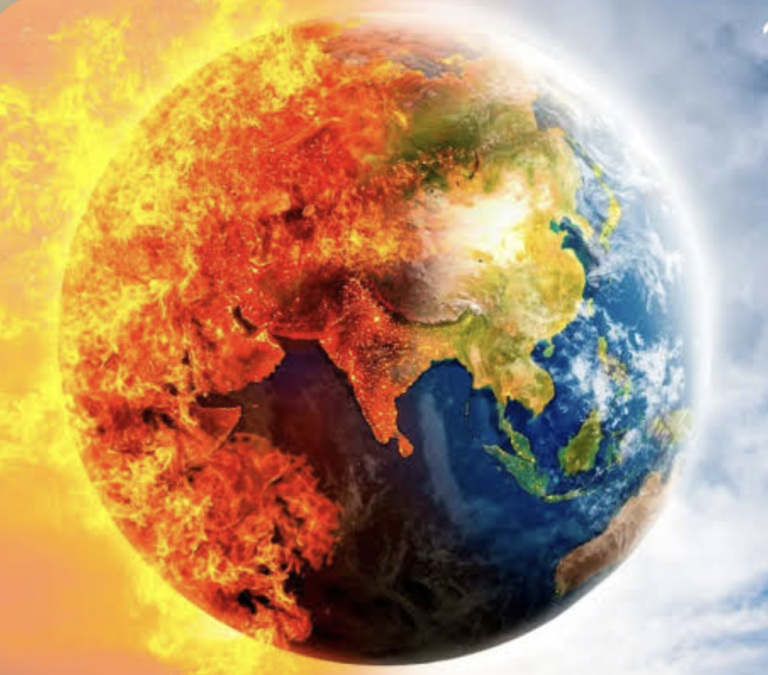
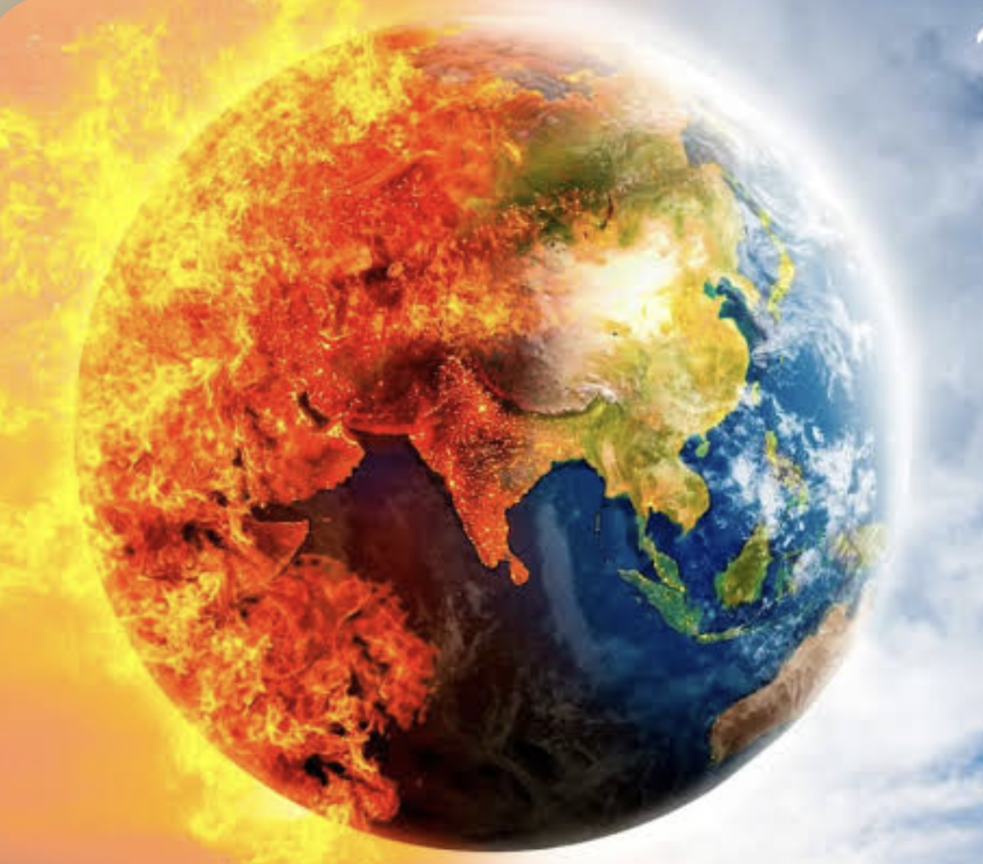
The United Nations has raised the alarm over the accelerating rate of global warming, warning that the Earth is accumulating heat at an unprecedented pace, with potentially devastating consequences for communities and ecosystems worldwide.
The warning was contained in the latest State of the Global Climate update released by the World Meteorological Organisation (WMO), as world leaders and climate negotiators gather in Antalya, Turkey, for the 31st Conference of Parties (COP31) on climate change.
According to the report, 2026 is on course to rank among the four warmest years since records began, with global average surface temperatures between January and September estimated at 1.47 degrees Celsius above pre-industrial levels.
The WMO said the imbalance between the amount of energy the Earth receives from the sun and the heat it releases into space had reached its highest level since systematic observations began.
It warned that the growing energy imbalance could worsen extreme weather events, including heatwaves, droughts, tropical cyclones and other climate-related disasters.
The agency also disclosed that sea surface temperatures had reached record levels, while global sea levels remained at their highest since modern records began.
It explained that the oceans absorb about 90 per cent of the excess heat trapped by greenhouse gases, noting that 2026 could mark the tenth consecutive year of record ocean heat accumulation.
Reacting to the findings, UN Secretary-General António Guterres said the world had entered a new era of climate extremes, driven by the combined effects of natural climate variations and human-induced global warming.
“We have entered a new age of climate extremes,” Guterres said.
He warned that climate records were continuing to fall, while the devastating human consequences were becoming more pronounced, particularly in vulnerable communities and countries that contribute the least to global greenhouse gas emissions.
The report further highlighted the steady rise in atmospheric carbon dioxide concentrations over the decades.
According to the WMO, carbon dioxide levels stood at 356.42 parts per million in 1992, when the United Nations climate convention was signed, but rose to 426.8 parts per million in 2025.
This represents a 53 per cent increase since the beginning of the Industrial Revolution in 1750.
The agency also reported that estimates of ocean heat content showed the Earth’s energy imbalance increased by 0.3 watts per square metre per decade between 2001 and 2025, compared with 0.13 watts per square metre per decade over the longer period from 1960 to 2025.
It attributed the faster warming trend largely to rising greenhouse gas concentrations and changes in climate feedback mechanisms.
The WMO report also drew attention to the influence of El Niño, a natural climate phenomenon associated with rising global temperatures.
Although 2026 began under La Niña conditions, which generally have a cooling influence on global temperatures, scientists warned that the emergence of El Niño could further intensify global warming.
The agency added that ocean temperatures in the upper 2,000 metres reached unprecedented levels in 2025, warning that the effects of ocean warming could persist for centuries or even millennia.
The impact of rising temperatures is also becoming increasingly evident in the polar regions.
Antarctic sea ice recorded its third-lowest annual maximum in 2026, while Arctic sea ice reached its lowest or second-lowest maximum on record.
Glaciers across the world also suffered significant losses, shedding more than 400 gigatonnes of ice mass. The WMO noted that all 19 glacierised regions recorded mass losses for the fourth consecutive year.
Commenting on the findings, Professor Emeritus of Geophysical and Climate Hazards at University College London, Bill McGuire, described the figures as deeply concerning.
He said the report reinforced evidence of unprecedented changes in global temperatures, sea levels and ice coverage.
McGuire identified the widening imbalance between incoming solar energy and outgoing heat as particularly alarming, explaining that rising greenhouse gas concentrations were causing the Earth to retain increasing amounts of heat.
He further warned that natural climate feedback mechanisms were contributing to a faster rate of global warming than was recorded two decades ago.
According to him, recent research suggests that the world could permanently exceed the 1.5-degree Celsius warming threshold by 2028, while the current warming rate of approximately 0.4 degrees Celsius per decade could push global temperatures beyond 2 degrees Celsius by the late 2030s.
The latest warning has renewed calls for stronger international cooperation, accelerated reductions in greenhouse gas emissions and more effective climate adaptation measures as world leaders deliberate on the future of global climate action at COP31.
About the Author