By Our Correspondent
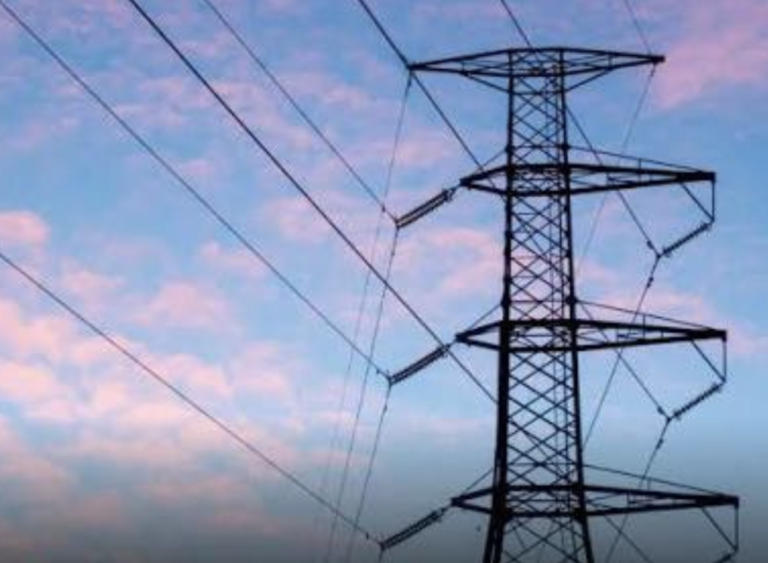
The Federal Government has acknowledged that Nigeria remains a long way from achieving reliable electricity supply, identifying persistent gas shortages, ageing infrastructure, transmission bottlenecks and commercial inefficiencies as major challenges confronting the power sector.
The Minister of Power, Joseph Olasunkanmi Tegbe, made the admission amid growing public dissatisfaction with persistent power outages, conceding that government interventions have yet to deliver the level of electricity supply expected by households, businesses and industries.
Speaking at an interactive luncheon with senior editors in Lagos on Friday, Tegbe said the challenges facing the sector were interconnected and required sustained interventions across the entire electricity value chain.
He identified inadequate gas supply, vandalism of electricity infrastructure, poor metering, obsolete equipment and transmission constraints as some of the factors undermining efforts to improve power delivery across the country.
The minister’s remarks come against the backdrop of persistent electricity shortages, despite successive government interventions and investments aimed at expanding generation, transmission and distribution capacity.
Providing an update on ongoing reforms, Tegbe disclosed that the Federal Government had paid N1.23 trillion out of the N3.3 trillion approved by President Bola Tinubu for the settlement of verified legacy debts owed to electricity generation companies (GenCos).
He also revealed that more than 2.8 million electricity customers had been metered between 2023 and October 2026 under the Presidential Metering Initiative.
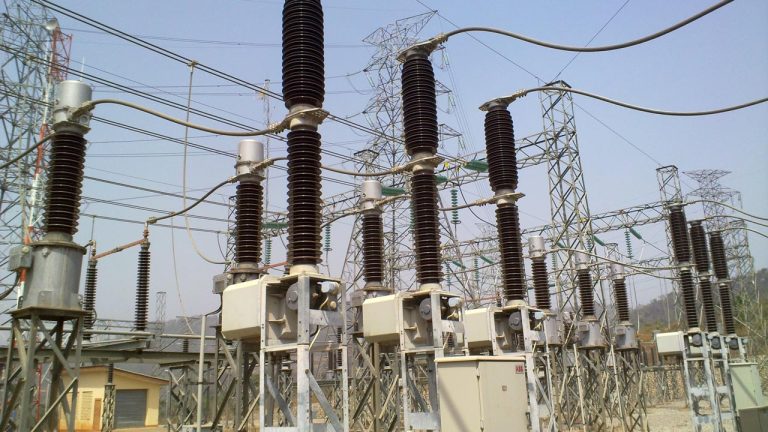
On transmission infrastructure, the minister said recently commissioned substations and equipment had increased the national transmission capacity by more than 1,300 megavolt-amperes (MVA).
The improvements cover Apapa, Ijora, Ikeja, Kumbotoso, Dankata, Mashi, Dan-Agundi, Biliri and Walalambe.
Tegbe further disclosed that the government was planning to replace the National Grid Control Centre, which is more than 60 years old, with a modern facility in Osogbo.
He said the administration was also working towards expanding electricity generation capacity to 10,000 megawatts (MW).
Beyond infrastructure development, the minister identified major economic corridors as priorities under a new electricity development strategy aimed at aligning investments in generation, transmission and distribution with areas of high demand.
The targeted corridors include Lagos-Ogun, Benin-Enugu-Port Harcourt and Abuja-Kaduna-Kano.
According to him, the Lagos-Ogun axis and the Abuja franchise area, which collectively account for more than 50 per cent of Nigeria’s electricity demand, have been proposed as pilot locations for 24-hour energy zones, subject to technical readiness and commercial viability.
The initiative is expected to improve electricity availability in major economic centres through coordinated investments across the power sector’s value chain.
Addressing concerns over the persistent vandalism of electricity infrastructure, Tegbe said the Federal Government had approved a coordinated anti-vandalism campaign involving security agencies, alongside stronger legal measures to protect critical power assets.
He also emphasised the need for stronger engagement with the media to improve public understanding of the challenges facing the sector and the reforms being implemented to address them.
The minister said Nigerians deserved timely and transparent explanations whenever electricity supply was disrupted, including information on the causes of outages, remedial measures and the responsibilities of relevant institutions across the electricity value chain.
While admitting that the power sector remained far from meeting public expectations, Tegbe expressed optimism that sustained reforms and improved institutional collaboration would gradually enhance electricity supply.
He stressed that the ultimate measure of the government’s performance in the sector would not be installed generation capacity or policy announcements, but the volume, consistency and reliability of electricity delivered to homes, businesses and industries.
About the Author