By Our Correspondent
Canadian Prime Minister Mark Carney has said his government could explore partnerships with Chinese automakers if ongoing trade negotiations with the United States fail to preserve an integrated North American automobile industry.
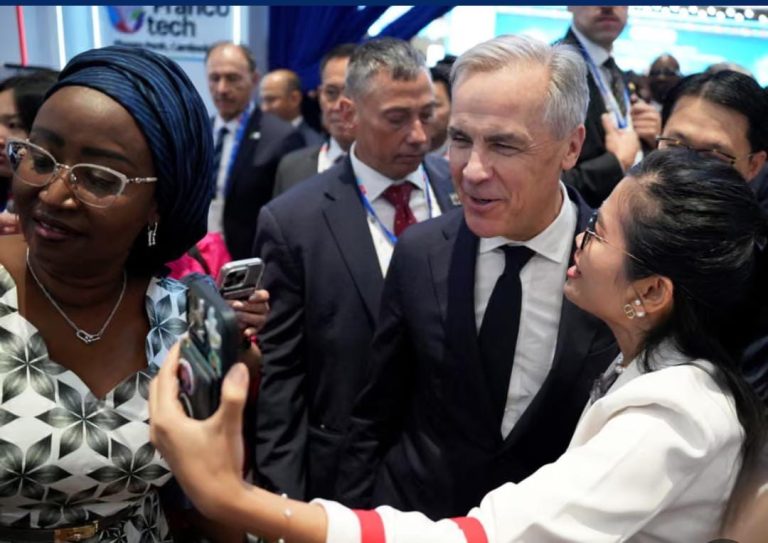
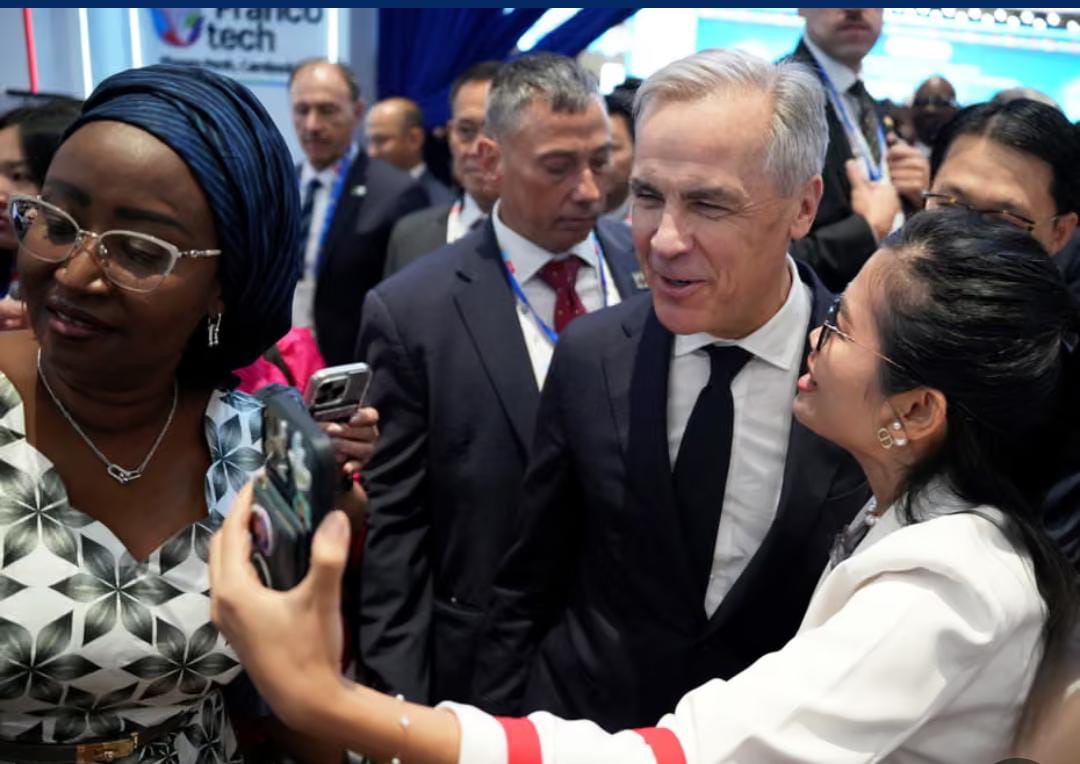
Carney made the remarks on Monday in Cambodia ahead of a planned meeting with Chinese President Xi Jinping in Shenzhen, China, later this week, where cooperation in automobile manufacturing is expected to feature prominently.
The two countries reached an agreement in January allowing tens of thousands of Chinese electric vehicles into the Canadian market at reduced tariffs.
Carney said Canada’s priority remained maintaining a strong automotive manufacturing relationship with the United States, stressing that Canadian workers should have full opportunities within the North American market.
“We have the best auto workers in the world, and we want them fully deployed, full opportunity, in an integrated North American market,” he told reporters.
He, however, noted that US trade measures had weakened the integration of the regional automobile industry.
The Canadian prime minister said negotiations with Washington remained his government’s preferred option, but their outcome could determine whether Canada seeks alternative partnerships with European, Chinese or Japanese automakers.
A day earlier, while speaking in Manila, Philippines, Carney said any trade agreement with the United States must guarantee the long-term viability of Canada’s automotive industry.
Asked whether the prospect of Chinese investment was being used as leverage in negotiations with Washington, he dismissed the suggestion, describing the situation as a matter of “action, reaction.”
He added that if Canadian automotive workers were not fully utilised within the North American market, the country would have to explore other opportunities.
“Canada is going to move forward either way,” he said.
The North American automotive industry is deeply interconnected, with major manufacturers, including Ford, General Motors and Stellantis, operating production facilities across Canada, the United States and Mexico. Components often cross national borders several times before vehicles are completed.
However, US President Donald Trump has repeatedly pressured automakers to relocate production from Canada to the United States.
Carney stressed that any potential investment from Chinese manufacturers must involve substantial domestic production rather than the simple assembly of imported vehicle components.
He said such investments would be expected to provide manufacturing facilities, comply with appropriate labour standards and establish local supply chains that would expand over time, including the use of Canadian critical minerals in electric vehicle production.
“It’s not just about kit cars. There has to be a manufacturing aspect involved,” he said.
Under the January agreement, Canada reduced its 100 per cent tariff on Chinese electric vehicles to 6.1 per cent, initially permitting annual imports of up to 49,000 vehicles, with the quota expected to increase over time.
In return, China agreed to reduce tariffs on selected Canadian agricultural exports, including canola.
Carney had previously expressed optimism that the agreement would encourage Chinese investment in Canada’s automotive sector and generate employment opportunities.
However, the deal attracted criticism from Ontario Premier Doug Ford, whose province is the centre of Canada’s automobile manufacturing industry.
Ford warned that increased access for Chinese electric vehicles could threaten domestic jobs and potentially undermine Canada’s access to the US market.
The Trump administration’s tariffs have added pressure to Canada’s automotive industry, which depends heavily on cross-border manufacturing and supply chains.
Canada recently threatened legal action against Stellantis after the automaker moved planned production of its Jeep Compass model from Brampton, Ontario, to Illinois and agreed to sell its idled Canadian assembly plant.
Despite the tensions, Carney said he had held extensive discussions with Trump and senior US officials, adding that both countries were making progress towards a possible trade agreement, although significant differences remained.
About the Author