Patience Tarhemba
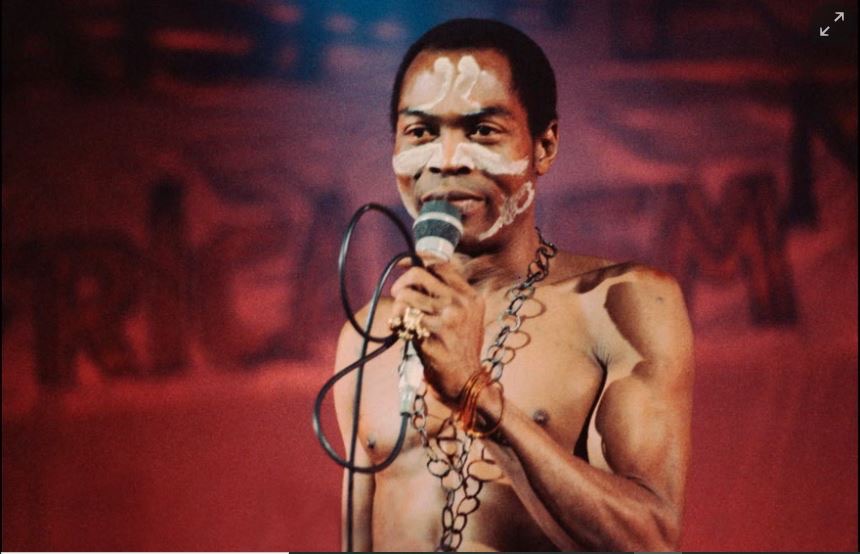
Afrobeat pioneer Fela Anikulapo Kuti has been formally inducted into the Rock & Roll Hall of Fame, cementing his place among the most influential musicians in history nearly 30 years after his death.
The posthumous honour was conferred during the institution’s 2026 induction ceremony at the Peacock Theater in Los Angeles, where Fela was recognised in the Early Influence category.
The category celebrates musicians whose creativity and sound helped shape the development of popular music. Fela was honoured alongside Cuban singer Celia Cruz, American rappers Queen Latifah and MC Lyte, and country rock musician Gram Parsons.
The ceremony took place on Saturday night in Los Angeles, which was 4am on Sunday in Nigeria.
Fela’s selection for the honour had been announced in April, but the weekend ceremony marked the formal celebration of his place in the institution.
His entry into the Hall reflects the international reach of a musical style he developed by bringing together elements of West African highlife, jazz, funk and soul. The result, known as Afrobeat, became closely associated with his energetic performances and politically outspoken compositions.
Beyond music, Fela used his platform to challenge corruption, injustice and military rule in Nigeria. His work made him a prominent cultural figure whose influence extended beyond the country’s borders.
The Rock & Roll Hall of Fame’s profile describes him as a musician whose fusion of African and American musical traditions helped establish a distinctive sound. The institution also identifies contemporary performers, including Burna Boy, among artists influenced by his work.
Other musicians recognised in the 2026 class include Phil Collins, Billy Idol, Iron Maiden, Sade, Oasis, Luther Vandross, Joy Division/New Order and Wu-Tang Clan.
Nigerian born British singer Sade Adu was also inducted in the Performer category, although she did not attend the ceremony.
Fela died in 1997, but his music has continued to reach new audiences through recordings, performances and the work of younger African musicians.
The latest recognition places his contribution to music history alongside that of other influential performers and further strengthens the international profile of a sound that originated in Nigeria.
About the Author