By Our Correspondent
The International Energy Agency (IEA) has declared that the world is entering a new energy era dominated by electricity, as rising demand for electric vehicles, artificial intelligence infrastructure and cooling systems accelerates the shift away from traditional fossil fuels.
The IEA Executive Director, Fatih Birol, said global electricity generation capacity was expected to grow significantly over the next decade, with countries increasingly turning to electricity to strengthen energy security and reduce their exposure to volatile fossil fuel prices and geopolitical disruptions.
Speaking in an interview with The Guardian on the sidelines of the COP31 United Nations Climate Change Conference in Antalya, Turkey, Birol described the development as the beginning of what he called the “age of electricity.”
“We will still use oil and gas, but the dominant source of energy is becoming electricity,” he said.
According to Birol, the world added about 5,000 gigawatts of electricity generation capacity over the past decade, while projections indicate that an additional 12,000 gigawatts could be installed within the next 10 years.
He said the projected expansion would be more than twice the capacity added in the previous decade, reflecting the accelerating global demand for electricity.
Birol identified the expansion of artificial intelligence (AI) data centres, increasing adoption of electric vehicles and growing demand for air conditioning as the three major drivers of the transition.
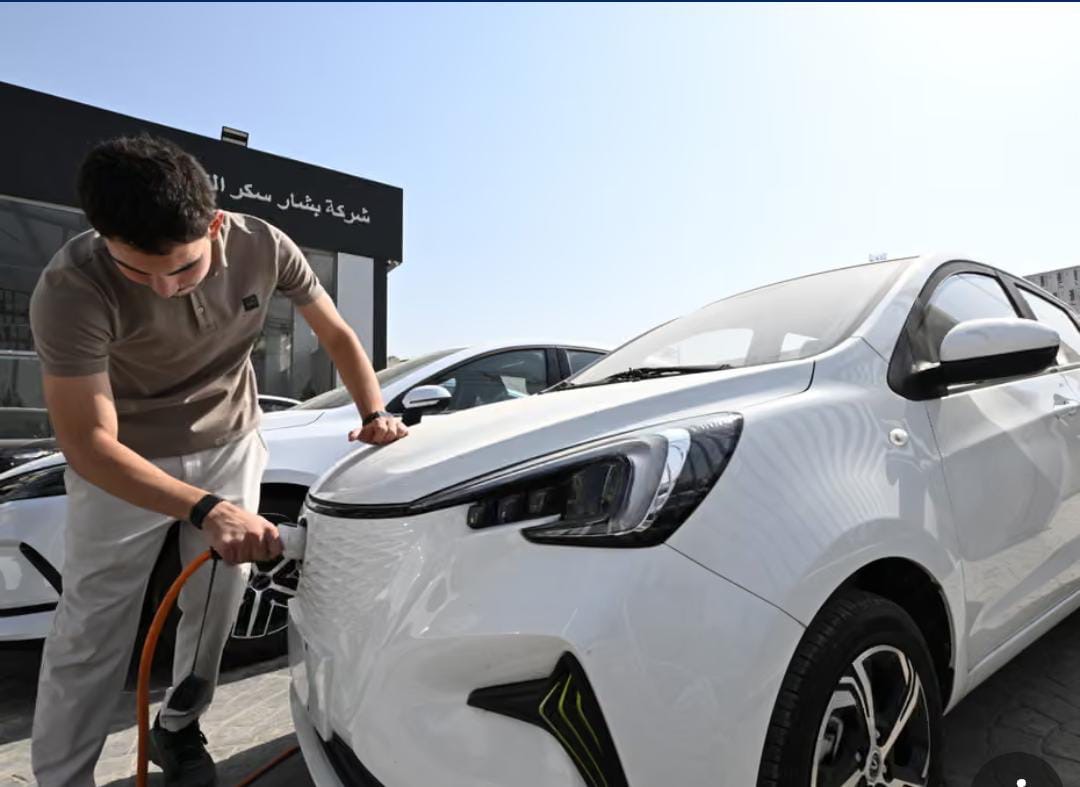
He disclosed that electric vehicle sales outside China rose by 60 per cent in the first nine months of the year, highlighting the rapid electrification of the global transport sector.
The IEA chief also noted that electric vehicles, which accounted for only five per cent of new car sales five years ago, were expected to represent about one-third of global car sales this year.
He added that the increasing adoption of electric trucks would further accelerate the reduction of oil consumption in transportation.
The transition to electricity has featured prominently in the ongoing climate negotiations involving representatives from 185 countries in Antalya.
Among the proposals under consideration is a resolution seeking to raise electricity’s share of global final energy consumption to 35 per cent by 2035.
If adopted, the target could become an important component of international efforts to reduce carbon emissions and achieve global decarbonisation objectives.
Electricity currently accounts for approximately one-quarter of global final energy consumption, while fossil fuels supply the remaining three-quarters, particularly in transportation, heating and industrial activities.
Birol said renewable energy sources were also playing an increasingly important role in electricity generation, a trend he expects to strengthen in the coming decades.
Energy experts have argued that electrification could improve overall energy efficiency because conventional fossil fuel systems lose substantial amounts of energy through heat during production and use.
Replacing fossil fuel-powered systems with electric alternatives could therefore reduce energy wastage while supporting efforts to combat climate change.
Birol said most countries supported the proposed electrification target, adding that he had worked closely with the Turkish and Australian governments, which are jointly presiding over the climate summit.
He described the proposed resolution as an important message to investors and financial markets about governments’ commitment to an electricity-driven energy future.
“It will be an unmistakable signal to the markets and investors that governments see that the future of energy is in electricity,” he said.
However, he acknowledged that the proposal could encounter resistance from countries such as Saudi Arabia and Russia.
Under the United Nations climate convention, major decisions require consensus, allowing a small number of countries to block the adoption of a resolution.
Despite the possibility of opposition, Birol expressed confidence that the global transition towards electrification would continue regardless of the outcome of the negotiations.
He also identified rising demand for air conditioning as a major factor that would shape future electricity consumption, particularly as global temperatures increase and heatwaves become more intense.
Illustrating the differences in access to cooling systems, he said about 90 per cent of households in the United States had air conditioning, compared with fewer than 20 per cent in India and approximately five per cent in Nigeria.
He explained that rising temperatures and improving household purchasing power would encourage more people to acquire air-conditioning systems, further increasing electricity demand.
According to Birol, the growing dependence on electricity would strengthen national energy security, improve economic competitiveness and support climate change mitigation efforts.
“Global energy demand is growing strongly, but global electricity demand is growing three times faster than total energy demand. And it is impossible to stop it,” he said.
He stressed that governments must now prioritise making electricity affordable, reliable and accessible to their populations.
On concerns about high electricity prices in the United Kingdom, Birol attributed much of the challenge to the country’s dependence on imported natural gas.
He explained that fluctuations in international gas prices directly affected electricity costs, arguing that expanding domestic renewable energy generation would offer a more sustainable solution than increasing gas imports.
Birol maintained that the global shift towards electricity was already underway and would continue to reshape transportation, industry and household energy consumption in the years ahead.
About the Author