By Our Reporter
The Edo State Consumer Protection Committee (CPC), has warned individuals and groups against the illegal imposition of fines and collection of levies in its name, insisting that all payments must be made through revenue accounts approved by the Edo State Internal Revenue Service.
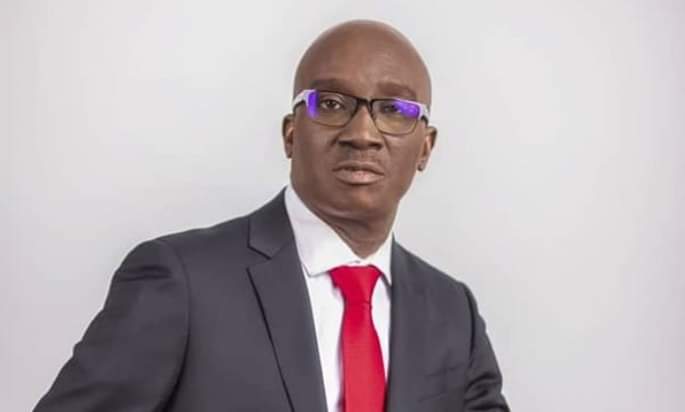
Chairman of the committee, Osaro Iyamu Culture, gave the warning while addressing stakeholders and partners, stressing that no ministry, agency, parastatal or government committee was authorised to collect money, fines or levies on behalf of the state government outside the approved revenue collection framework.
He explained that whenever a government agency or committee requires enforcement and compliance services, the Board of Internal Revenue must deploy its officers to ensure that all collections are properly conducted and accounted for.
Iyamu urged residents to report anyone impersonating CPC officials or demanding payments through unauthorised accounts, warning that such individuals would be treated as impostors and prosecuted in accordance with the law.
He reaffirmed the committee’s commitment to transparency and accountability, declaring that it would not tolerate bribery, corruption or any form of financial misconduct.
The chairman recalled that during the committee’s inauguration on September 3, he had pledged that neither he nor any member of the committee would engage in illegal activities or allow themselves to be compromised.
He disclosed that Governor Monday Okpebholo had approved the provision of a Hilux vehicle and an 18-seater bus to support the committee’s operations, alongside other requests aimed at strengthening its capacity to deliver on its mandate.
However, Iyamu revealed that the committee had encountered several attempts by individuals to influence its operations through lobbying and financial inducements since it commenced activities, but maintained that he remained committed to protecting his integrity and the reputation of the state government.
He identified consumer rights protection, public health safety and the prevention of unfair business practices by unscrupulous businesses as the committee’s major responsibilities.
According to him, the committee would not allow pressure or personal interests to undermine its statutory responsibilities, particularly where the health and safety of residents were at stake.
The chairman also expressed concerns over what he described as an unpleasant encounter with the Edo State Coordinator of the National Agency for Food and Drug Administration and Control (NAFDAC), Mrs Itwa Esther, during a meeting on the committee’s enforcement activities against counterfeit and expired products.
Iyamu alleged that during their first meeting, the NAFDAC coordinator questioned the committee’s authority to conduct enforcement operations and reportedly attributed deaths associated with harmful products largely to excessive alcohol consumption.
He said he challenged the position, insisting that the government had a duty to protect residents from fake, counterfeit and expired products, regardless of the circumstances surrounding their consumption.
He further alleged that NAFDAC enforcement personnel from Asaba had previously visited the committee’s office to collect sachets of gin confiscated during its enforcement operations in Edo State, an incident he said raised concerns about the agency’s approach to the exercise.
Iyamu added that a subsequent invitation from NAFDAC’s zonal office in Asaba was presented during the meeting, but he declined to sign it, insisting that the committee would not abandon its legally assigned responsibilities.
He maintained that the CPC would sustain its enforcement activities in accordance with the law and the SHINE Agenda of Governor Okpebholo.
The chairman reiterated that the committee would remain focused on protecting consumers, promoting responsible business practices and safeguarding public health, stressing that the welfare and safety of Edo residents would not be compromised for personal interests or financial inducements.
About the Author