By Our Correspondent
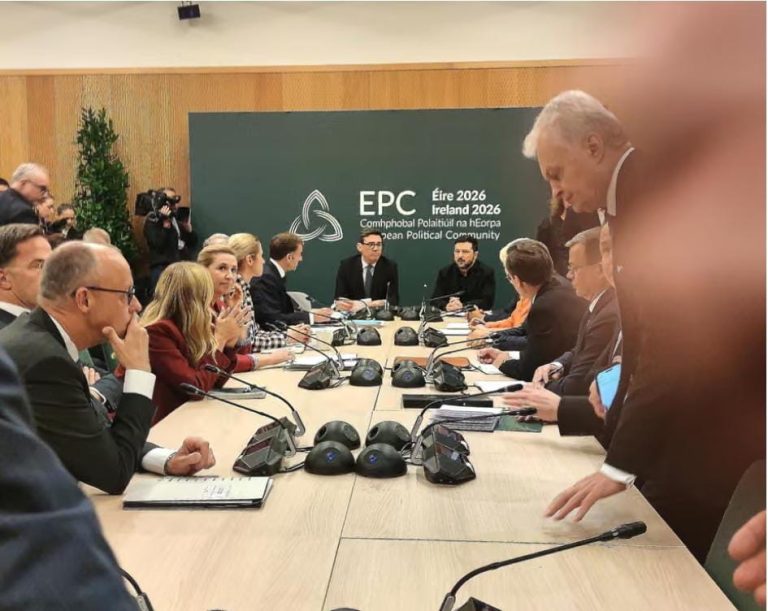
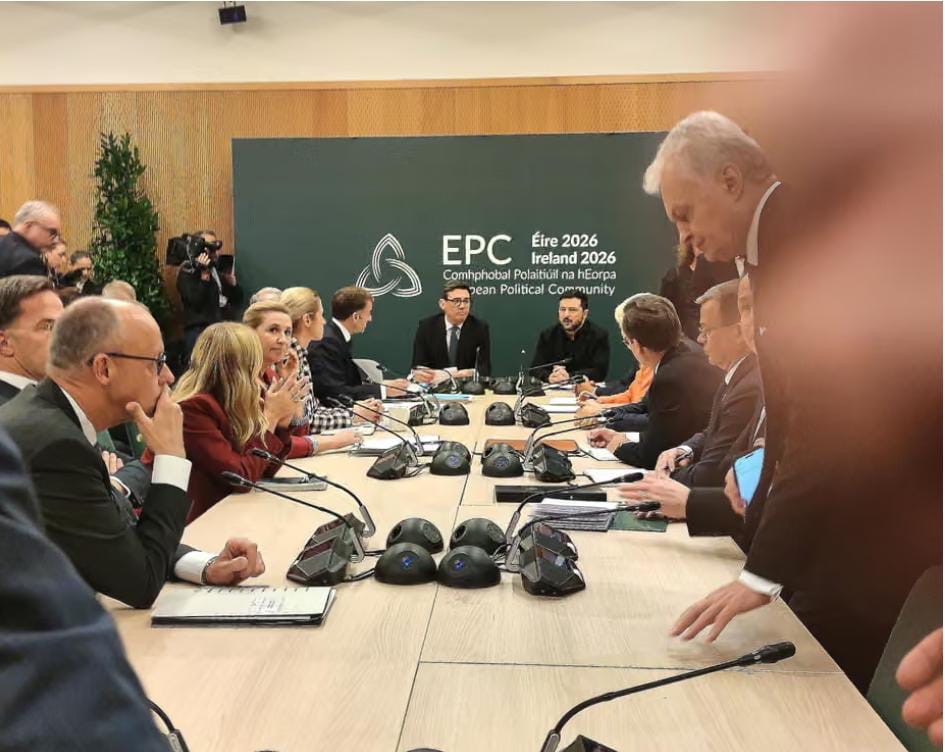
European leaders have commenced discussions in Dublin, Ireland, to determine who will represent the continent in proposed peace negotiations between Russia and Ukraine, amid growing calls for Europe to play a central role in shaping the region’s future security arrangements.
The meeting is expected to focus on Europe’s priorities in any potential peace agreement, including security guarantees for Ukraine, post-war reconstruction and the continent’s broader security framework.
European Council President, António Costa, is reportedly seeking to demonstrate Europe’s willingness to participate constructively in the diplomatic process.
Irish Prime Minister, Micheál Martin, said the discussions would centre on the conditions Europe considers necessary for achieving a just and lasting resolution to the conflict.
He stressed that the substance of any peace agreement was just as important as the individuals selected to represent Europe at the negotiating table.
According to Martin, European leaders must establish clear positions on security guarantees for Ukraine and its reconstruction, adding that outstanding questions about Europe’s priorities and representation should be resolved within the next one or two weeks.
Meanwhile, Estonian Prime Minister, Kristen Michal, warned that Ukraine faces another difficult winter as Russia continues its military attacks.
He called on European countries to intensify their support for Kyiv, arguing that Russian President Vladimir Putin could end the war immediately by abandoning his military objectives.
Michal insisted that Europe’s priority should remain supporting Ukraine against Russian aggression, rejecting suggestions that negotiations should first address the continent’s wider security architecture.
Describing Russia’s proposal as a strategic distraction, he maintained that any peace agreement must prioritise Ukraine’s interests.
On European representation, the Estonian leader identified Costa and the European Union’s foreign policy chief, Kaja Kallas, as suitable candidates to represent the bloc if it decides to appoint negotiators.
European Commission President, Ursula von der Leyen, also maintained that Europe must have a place in any negotiations concerning Ukraine, arguing that its participation was essential to protecting the continent’s interests and ensuring continued support for Kyiv.
She disclosed that the European Commission would present proposals to finance Ukraine’s needs in 2027, alongside a proposed 22nd package of sanctions against Russia, ahead of the next European Council meeting.
Von der Leyen added that the Dublin meeting would also examine the opportunities and challenges associated with the rapid advancement of artificial intelligence.
Costa, however, argued that Europe did not need to create an entirely new security framework, insisting that an existing European security architecture had been undermined and ultimately destroyed by Russia’s invasion of Ukraine.
The United Kingdom’s representative similarly maintained that decisions concerning Europe’s security arrangements should remain the responsibility of European countries, rather than being determined by Russian demands during the peace negotiations.
The diplomatic discussions have gathered momentum following indications that Russia and Ukraine have agreed to expand their next round of peace negotiations to include European countries.
US envoy Jared Kushner disclosed the development after meeting Ukrainian President Volodymyr Zelenskyy in Dublin.
In a statement posted on X, Kushner said the expanded negotiations would provide an opportunity to discuss broader European security arrangements after the war, alongside territorial disagreements between Russia and Ukraine.
However, he had earlier challenged European countries to agree on a single representative to speak on their behalf, suggesting that reaching a common position could prove more difficult than securing Russia’s acceptance of their participation.
Meanwhile, about 40 countries, including several participants at Thursday’s European Political Community summit, signed a declaration drafted by France affirming that European nations bear primary responsibility for the continent’s security and must assume greater responsibility for its protection.
The development highlights Europe’s determination to secure a stronger voice in negotiations that could determine Ukraine’s future and reshape the continent’s security landscape.
European leaders are expected to continue discussions on the proposed negotiating framework, security guarantees and other pressing international issues, including the implications of artificial intelligence.
About the Author